

From Call to Duty to Dead Space, Bond to Barbie: A career retrospective with Glen Schofield - cordovaopithought
From Call to Duty to Absolute Space, Enslaved to Barbie: A life history retrospective with Glen Schofield

Glen Schofield was sure when he applied for his first job in the game industry some 30 old age ago. "I give the sack do this," he remembers impressive himself. "Little did I know how hard it was!" Either way, He could hardly have notional that, three decades future, he'd bear worked with some of the world's biggest brands: from Barbie to Bond, Disney to Call Of Obligation.
Having gained a degree in commercial art from Brooklyn's prestigious Pratt Institute, he started his vocation Eastern Samoa an illustrator in New York before moving to a multimedia company where he conditioned most computer nontextual matter, using tools such as DPaint. When he was given a commission to exemplify covers for Game Male child games, his career track was set.
Making games was, of course, very disparate back past: at the time, he says, helium could be involved in as many As eight releases per year. In his role as art director at Absolute Entertainment, most games were made by just two masses: an creative person and a software engineer. "In to the highest degree cases, the artist was the designer; the engineer mostly spent time implementing the game, and they would also do the music at that time. They had their hands bad busy. So I finished leading designing all the time."
Subscribe to Edge Magazine
This feature first off appeared in Edge magazine publisher. For more like it, take Butt against and get the powder store delivered perpendicular to your threshold or pick it up for a digital device.
A go down to California to become art director at Capcom America in 1994 proved transformative, even though he only worked on one game there, contributory artwork to Tough: The Moving-picture show. "I was the third guy hired there. They hired the president, the V.P., and then me, the art director. And guess World Health Organization had to come all the work! I was painting the walls, buying equipment, and all sorts of things. Only it taught me a lot about setting up a studio, which I used in my late years."
Afterwards joining Lechatelierite Dynamics, Schofield led his first contrive, directing Gex 3D: Enter The Gecko, where he worked with Evan Wells and Bruce Straley, latterly of Naughty Dog fame. Schofield directed six games there, moving the studio apartment for a while before another move to EA, where he imitative production roles on several big-figure licences, from James Stick to Jehova Of The Rings.
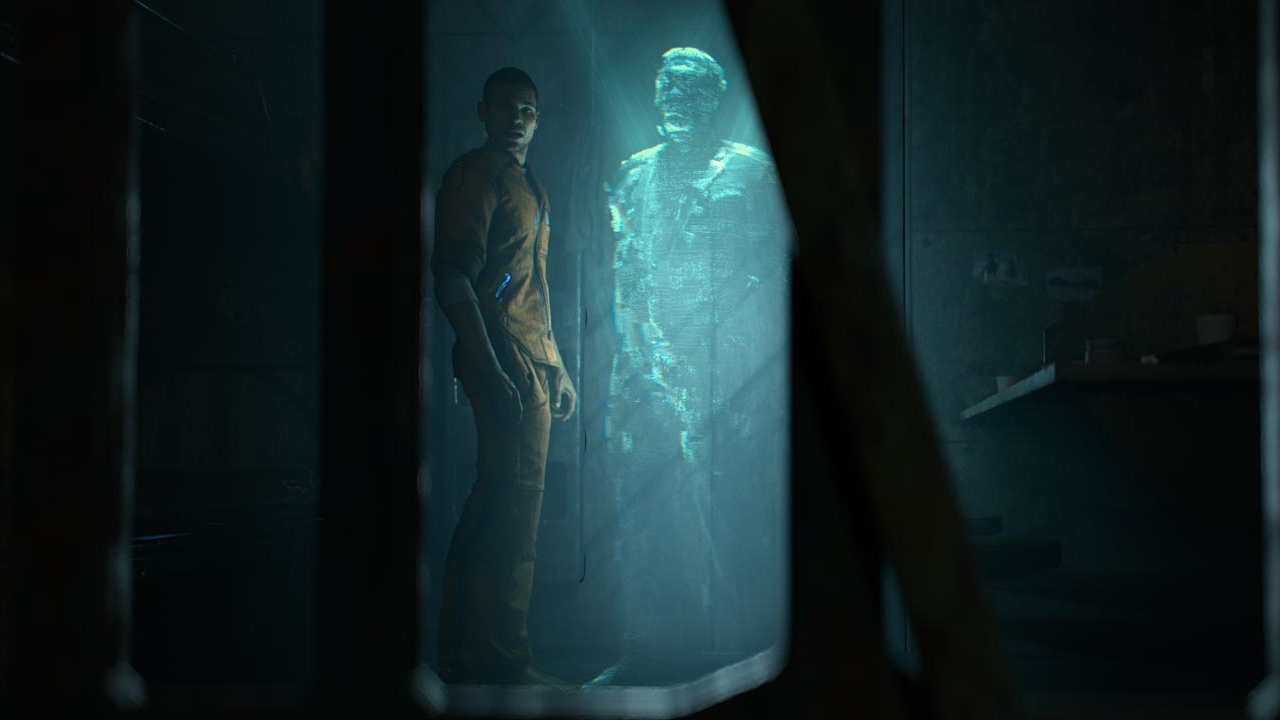
But it was with a new idea that Schofield made arguably the defining bet on of his career: 2008 chiller Dead Infinite. "My elevator pitch was: I want to make Resident Evil in space," he grins. With its brilliant diegetic interface and grisly 'strategic taking apart', IT earned Schofield some of the best reviews he'd ever had.
Chase a least sandpiper at Sledge development threesome Call Of Duty games, it's nobelium surprise that he's returning to science-fiction horror with The Callisto Protocol. And contempt the demands of his role as a studio head, he's relieve unable to resist getting involved in art and purpose – hopefully without becoming too a lot of a backseat art theatre director. "I don't wish to be likewise prescriptive, because I've got some nifty populate on the team up. I South Korean won't tell them just what to do if I don't ilk something. Simply I'll tell them if information technology's a little off." As an artist, Schofield has always recognised the importance of fine details; as he reflects happening his career to date stamp, it's clear that's what got him where he is today.
Barbie: Gage Girl (1992)
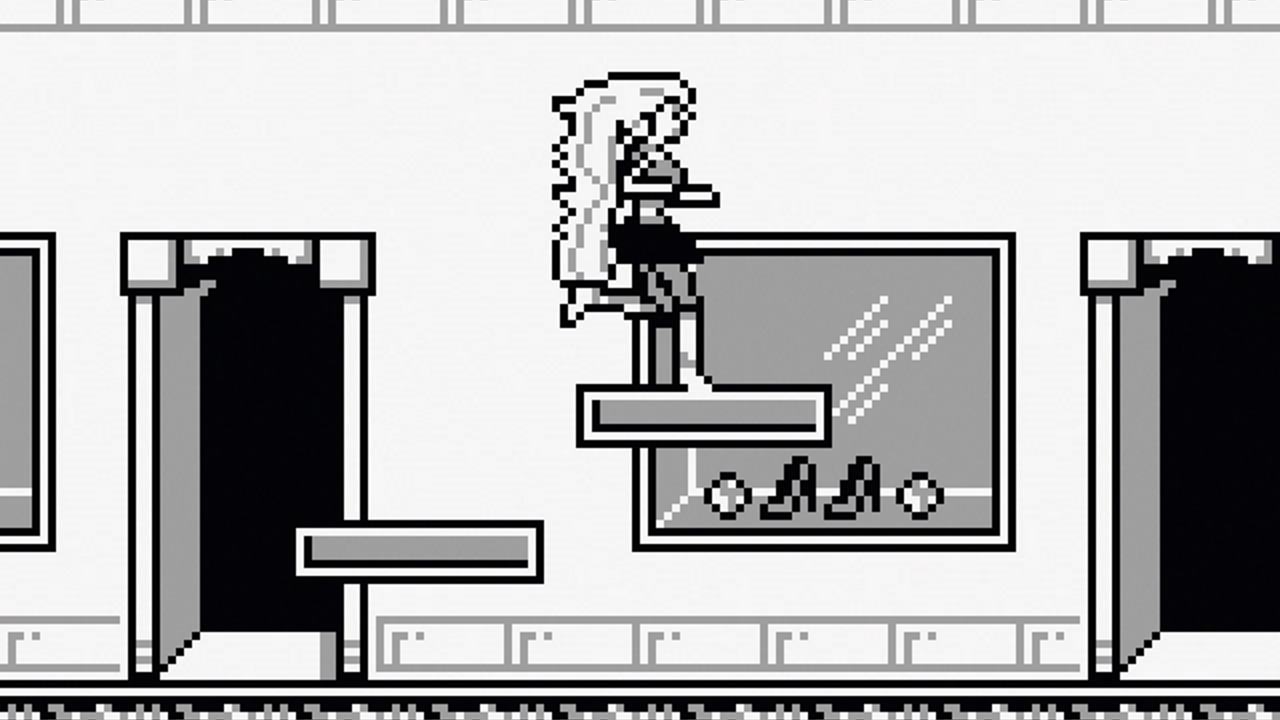
"In that respect was a small keep company in New Jersey, I think I was like the 12th or 13th person hired at a place called Absolute Entertainment. We did a lot of the work for Clap – they were a powerhouse in the '90s. So I did a lot of cartoon games, things like Swamp Thing, Bart Simpson, Ren & Stimpy, and Rocky And Bullwinkle and a lot of the other big cartoons that were around at the clip. I worked on a Zany game where I learned a lot because the quality standard for working on a Walter Elias Disney product is just really high. I had to train a little bit with a couple of Disney artists and get the style down. We were sort of creating a newer expressive style for them – it wasn't pure 2D; they wanted many following and things like that in it. Man, did I learn a bunch connected that product!
I moved upward to nontextual matter manager, as a gang of my games were pretty successful. Believe IT or not, my first game was called Barbie: Game Girl. They persuasion information technology would be funny if the new guy did the Barbie game, but slim did they know that Barbie would outsell everything that we did that year [laughs]. I don't take any credit entry for that – I give that to Barbie, the certify. Merely I did my studying on that.
I mean, I didn't know anything around Barbie, thus I had to exit and buy some Barbie dolls, and I had to calculate at the clothing. I went into women's clothing stores so that I could translate it a shrimpy bit more. So I did my research, which was a little embarrassing occasionally… and the guys would put a Barbie dolly on my electric chair in the morning, and a purse, or things like that. They wanted to have a little fun with me, but I got the last joke in the end because I became the prowess director."
Gex 3D: Enter The Gecko (1998)
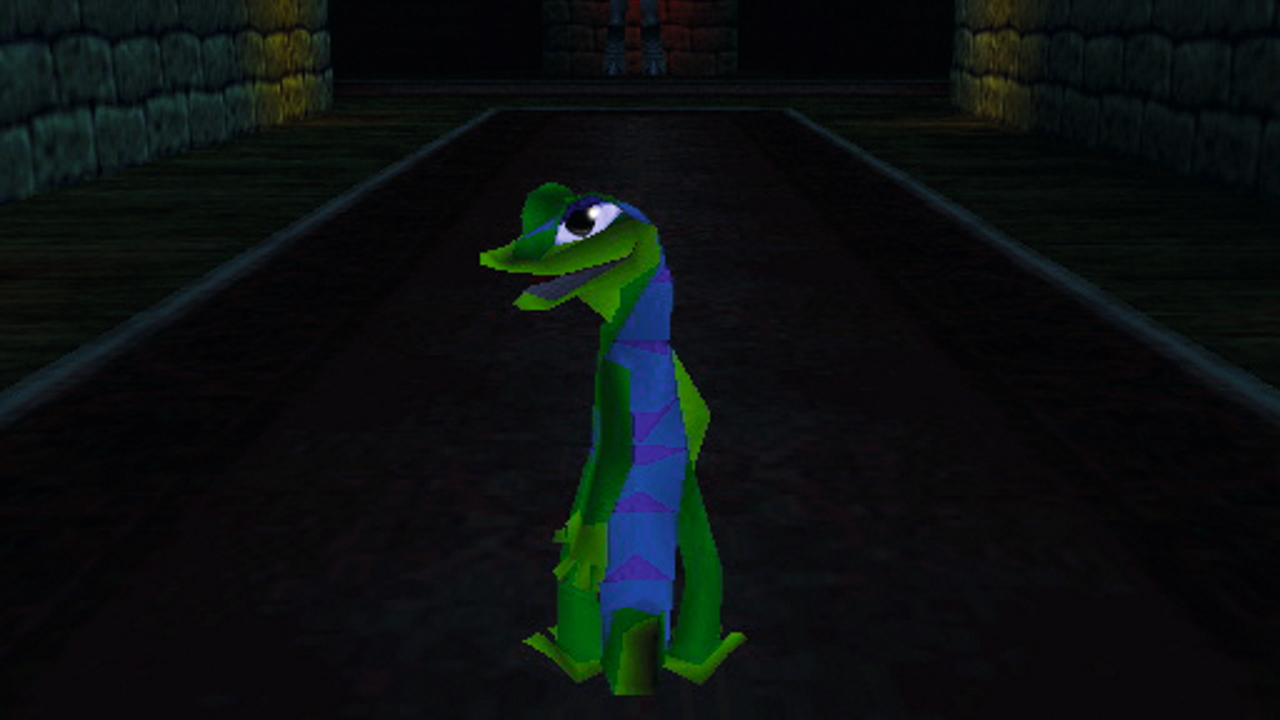
"I got a call unrivaled sidereal day from Crystal Dynamics to come up up for an interview and I remember releas up with all my drawings. Because as an art director back then, you did complete the drawings and backgrounds and characters – and I had a long ton of them. I went in with large-scale pieces of paper and canvases and every sorts of things, and they hired Maine on the spot, equally the producer. They wished-for Maine to produce Gex, and within a couple of weeks of being there they put up me in charge of the secret plan. The guy who was in charge – who was a attorney, believe it or non – he said, 'I don't know anything about this – you absorb from hither', and he went along to run the studio apartment and I went on to run the game.
So Gex was my first 3D back. I went in that location and I saw that they had this beautiful engine and no art. And I'm like, 'My god, this is perfect for me'. Because I knew how to create art you said it to hire artists and get the game going. And they did have a game designer in that respect, but I worked with the unfit house decorator to aid contrive the game.
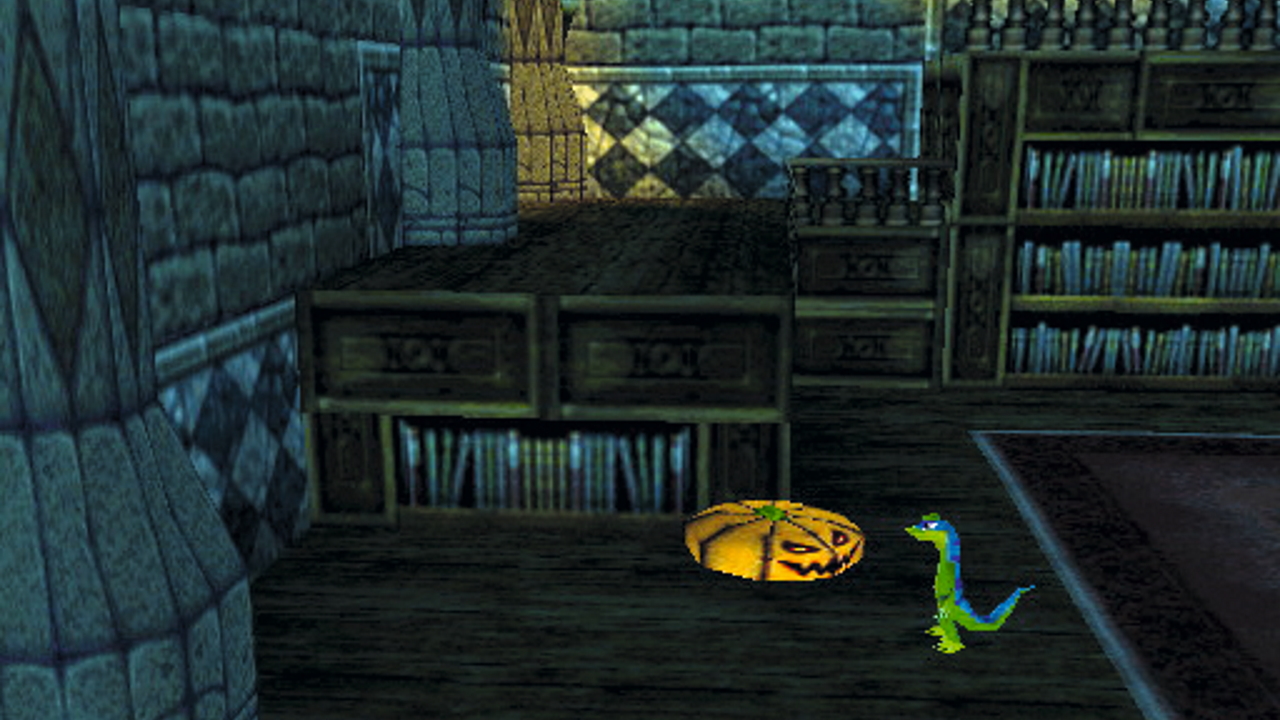
"Those were the Wild West days of making video games, man"
Those were the Wild West days of making TV games, serviceman – you could exercise almost anything, and Gex was about as irreverent as you could get at the time. Gex was crazy because he could walk connected walls and ceilings, and so that made information technology tougher but easier [to design] in some slipway, because atomic number 2 could do totally sorts of things, but you didn't want him just going everywhere. You couldn't do that at that time, either, because you were messing with the photographic camera all the time.
I ended dormy directing six games while I was at Crystal Dynamics, and I ended up running the studio for… I Don't jazz, a year and a half, maybe two eld? I was part of the team that picked Eidos to buy us. There were around cardinal or eight of USA in the room and we voted on which company we wanted to buy us and we picked – nem con – Eidos. Because at the time, Tomb Raider was a powerhouse, man. IT was the thing, you know. And we just desired to determine from those guys if we could."
The Lord Of The Rings: The Return Of The Baron (2003)
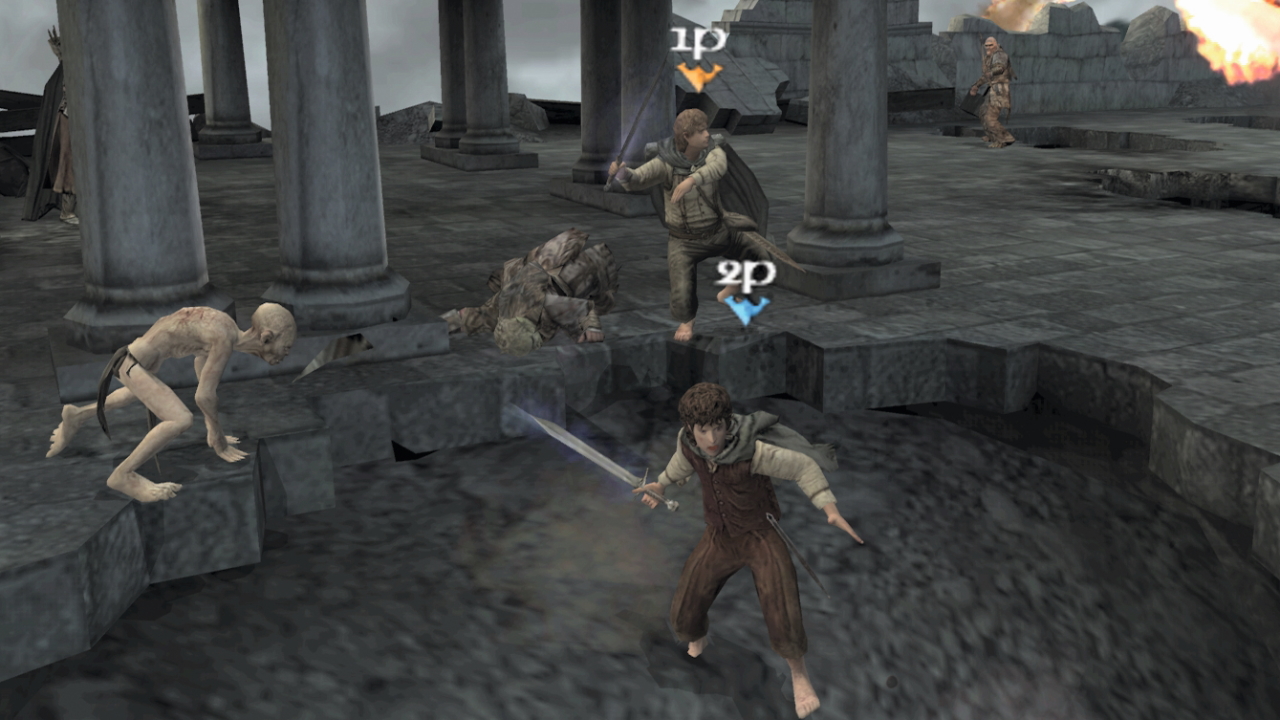
"I directed a Knockout Kings game [for EA]; then they asked Maine to come over and help happening Return Of The Martin Luther King. For the first year, the executive producer of the biz was finish Two Towers, so I was the EP spurting Return Of The King, just acquiring hoi polloi on board, getting the engine up and running, starting to do the design and work on what the screenplay would be – because you had to adapt this giant book and picture show into a videogame. And then when Neil Young finished working on Cardinal Towers, he came over and ran the game, and I was producer – I was producing the levels.
Indeed I had a huge job of designing and producing and getting the levels done – I was like the number two guy behind Neil – and getting that game out the door. And I've ne'er worked soh hard. I mean, we were working cardinal days a week, because it had to come out earlier the picture show, and we had fewer than a yr to get in. This was the first time we had a squad of about 175 people – a giant, giant squad. So I pretend I was [in charge of] at to the lowest degree 100 people because most of the emphasis was on the levels. Oh my gosh, it took a plenty of work."
James Bond 007: From Russia With Love (2005)
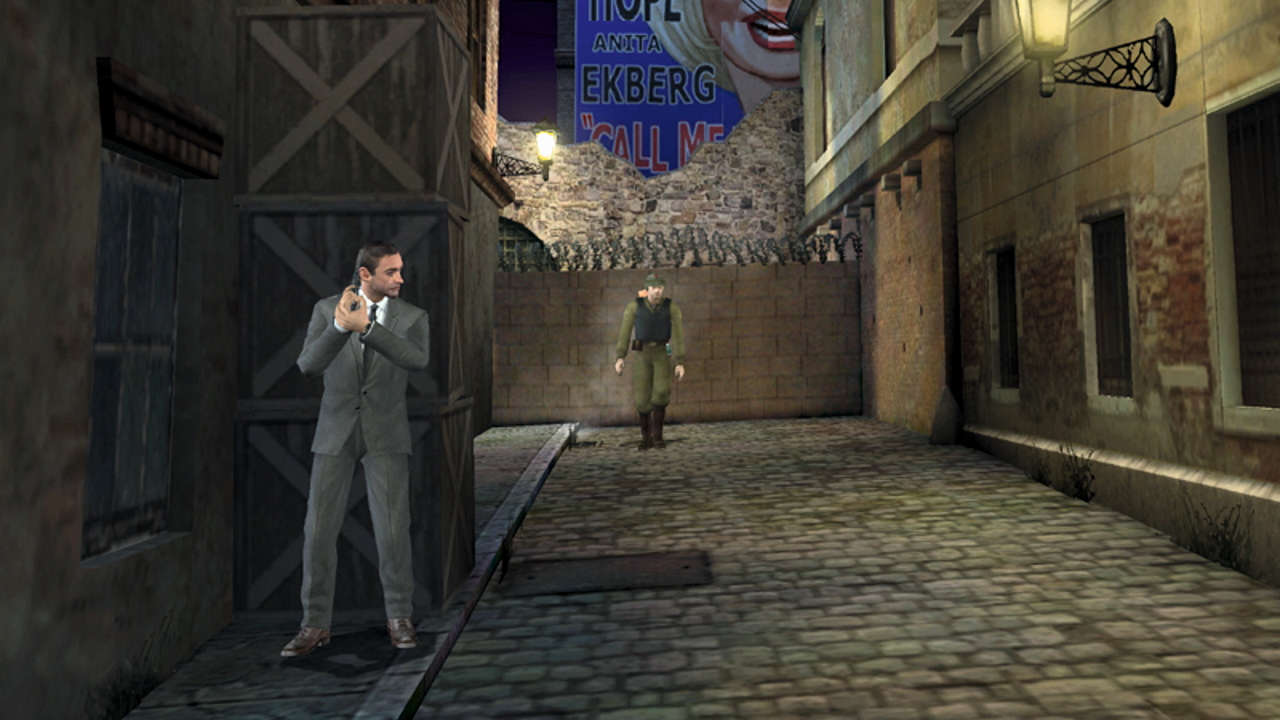
"What was great [about Return Of The King] was that IT was where I made a well-behaved rapport with many of the artists and designers and guys who worked on the levels. After that, they put ME in charge of Bond, which was a cock-a-hoop plume in my cap. I was very proud to get the James Enthralled licence. But all these people, I started to get to know these guys really well, and we went on eventually to make Doomed Distance. But, yeah, there were a lot of licensed games. I view the early 2000s as the peak for licensed games. I mean, everything was in the studio: Harry Tinker, Tiger Woods, just one right afterwards the other. The Godfather! I even worked on The Godfather for a while there.
After those trine games, I got an offer to attend Activision. Because what happened was, they asked me to make another James Bond gage in to a lesser degree a year, and I was the likes of, "This thing is leaving to betray." Because there's none way you can constitute a game in inferior than a year. But they had a contractual accord with the Broccolis and whoever [owns] James I Bond to get information technology done in another year. And so I was look about a x-month production. I had just made i in 12 months, and got like a 78 [Metacritic] or something same that on IT, and I knew that this uncomparable was bound to fail."
Unanimated Space (2008)
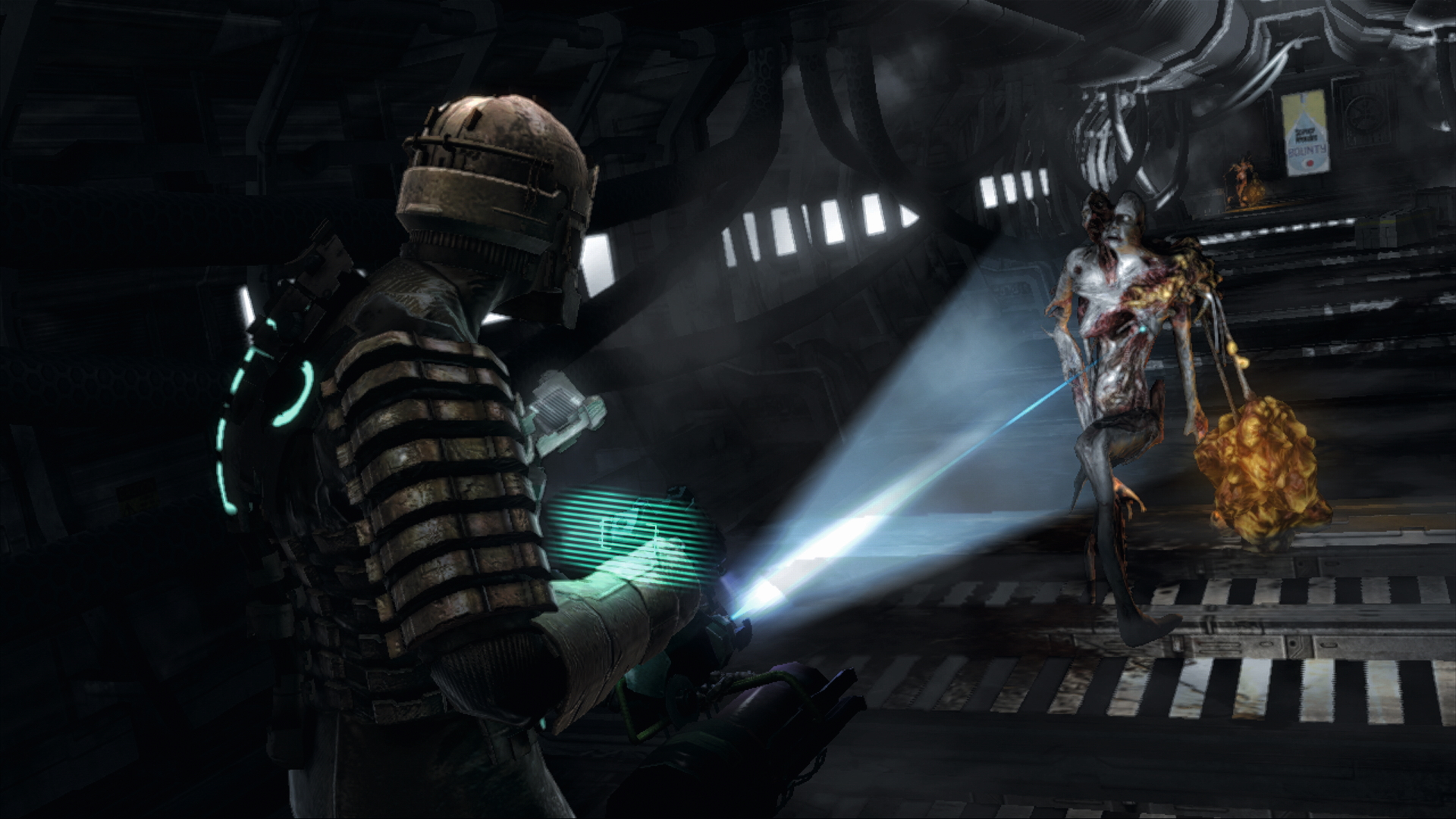
"I unbroken saying about this Bond game, 'I ass't make IT. I fundament't do this.' And they were like, 'Yes, you bum.' So I went out and I got an put up from Activision. I gave my two weeks notice at EA and they tried and true desperately to undergo me back. Which I appreciated a good deal – I didn't recognise that I had been appreciated that much. And finally, the president [of Ea Global Studios] Alice Paul Lee asked Pine Tree State what it would take to get Pine Tree State to ride out. I said, 'I want to make my own mettlesome. But in club to make my personal game, I need a team of 15 to 20 people at the beginning, and you've got to leave us alone for six months.'
Because EA was notorious for… if one game requisite help, they would conscionable go to another game and grab a bunch of people and bring them over. And that's what light-emitting diode to whatever games sexual climax extinct late and some games coming out and getting lower scores, things like that. So I just wanted to be odd unequalled, and they kind of put me in a corner awhile.
We had this small squad, and we successful a little demo of this chilling corridor. We were like, 'We're just expiration to amputate limbs – we're just leaving to be about dismemberment'. And everybody was like, 'That's active to be too gross. It's going to be too often for the public', and things like that. But we made this great-looking present.
The other thing I did, I worked on with my art director at the time. Because when you were at EA, and especially hindermost then, you were competitive against like, 40 games worldwide for money. You know, they had Tiburon, they had Montreal, they had Vancouver, and Redwood Shores, which was making probably six Oregon seven games of its own. So you were competing against complete these games, and they would only make so many a year.
So we made posters, and we hung them up all over Ea. I would hang them up in the bathrooms. I remember we even made a calendar for Dead Space with this very early fine art. We were trying to sell it within EA, and information technology worked. But what really worked the best was the demo: EA saw that they had something special and they put more and more people in arrears information technology. And they gave Maine what I needed.
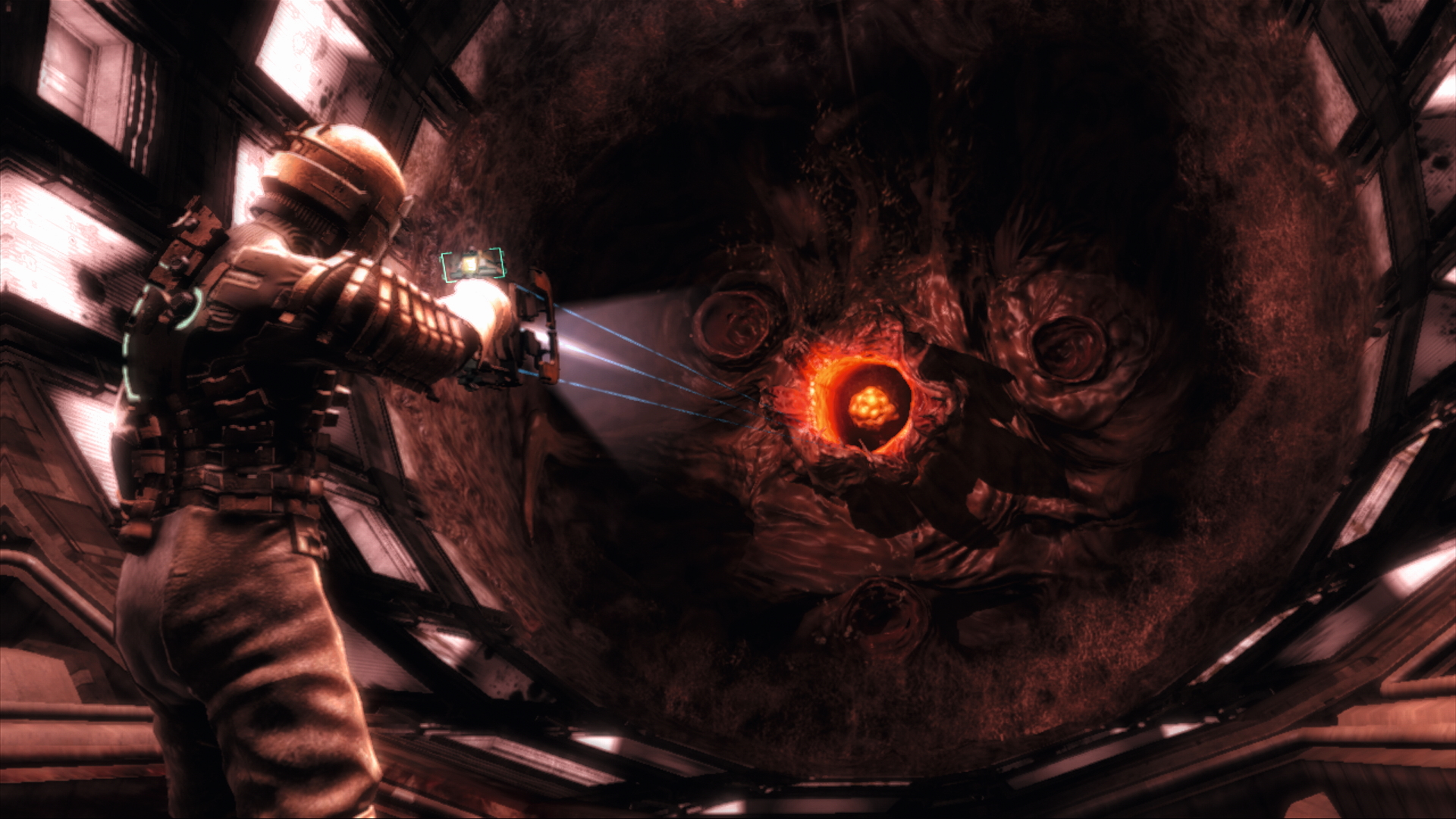
"You never know when you make some stake what you've really got before it comes out"
"Information technology took a while for them to understand it because this was something that they hadn't done before. 'OK, we've got a stain-new IP, it's science fabrication, it's horror – how do we sell it?' That sort out of thing. But eventually they greenlit the jut, and they got 100 per cent behind it. After that, [John] Riccitiello finally came in as every bit the new CEO, and He loved it. He was a galactic advocate for the mettlesome. I call up they still wondered how they were going to sell it because they were wont to licensed games, simply they gave us us some money and we were able to finally get the game off the ground.
"I remember screening information technology to [Shinji] Mikami. Ea was always having people interpose from dissimilar game studios. At the end of it, he arching. We showed him one level, and He arced to me and he said, through an interpreter, 'You've got something special.' And I was so proud. I was equivalent, 'Wow, mayhap we've got something big here – I don't know.' You never cognize. You never jazz when you make any gamey what you've really got ahead it comes exterior.
"I'll be honest with you, I tranquillise didn't know what we had erst we shipped the game. I was in Europe when the game came kayoed. I was on a PR tour. I remember being in a hotel lobby and I started getting calls first thing in the morn, which was late the night before from the US. I was acquiring these emails and calls: 'Are you seeing the scores?' I'm like, 'No more, no.' And I started look the scores, and I was like, 'Oh my gosh.' I was amazed.
"When we were making Unreverberant Space, we didn't think of sales, we didn't think of scores, we didn't think of awards – we were conscionable centered on quality and devising something we were passionate about. I know that sounds eldritch – like, yeah, you should behave that. But hindmost then you were focussed on getting the secret plan out not late, what your gross revenue were going to be, things like that.
In this cause, IT was the opposite – I'd just worked on a bunch of licensed games and I wanted to focus along quality, so that's what we did. All at once it started getting these heavy scores and we were stunned, and past we started winning awards. The first sales were OK – if you look back, I mean it took a while for the sales to get off the flat coat, and of flow from a sequel e'er helps. Merely IT turned out to be something I'm really proud of. When people arrive dormy to me, of all the games I've made, that's the indefinite they look-alike to talk roughly the most."
Squall Of Duty: Modern Warfare 3 (2011)
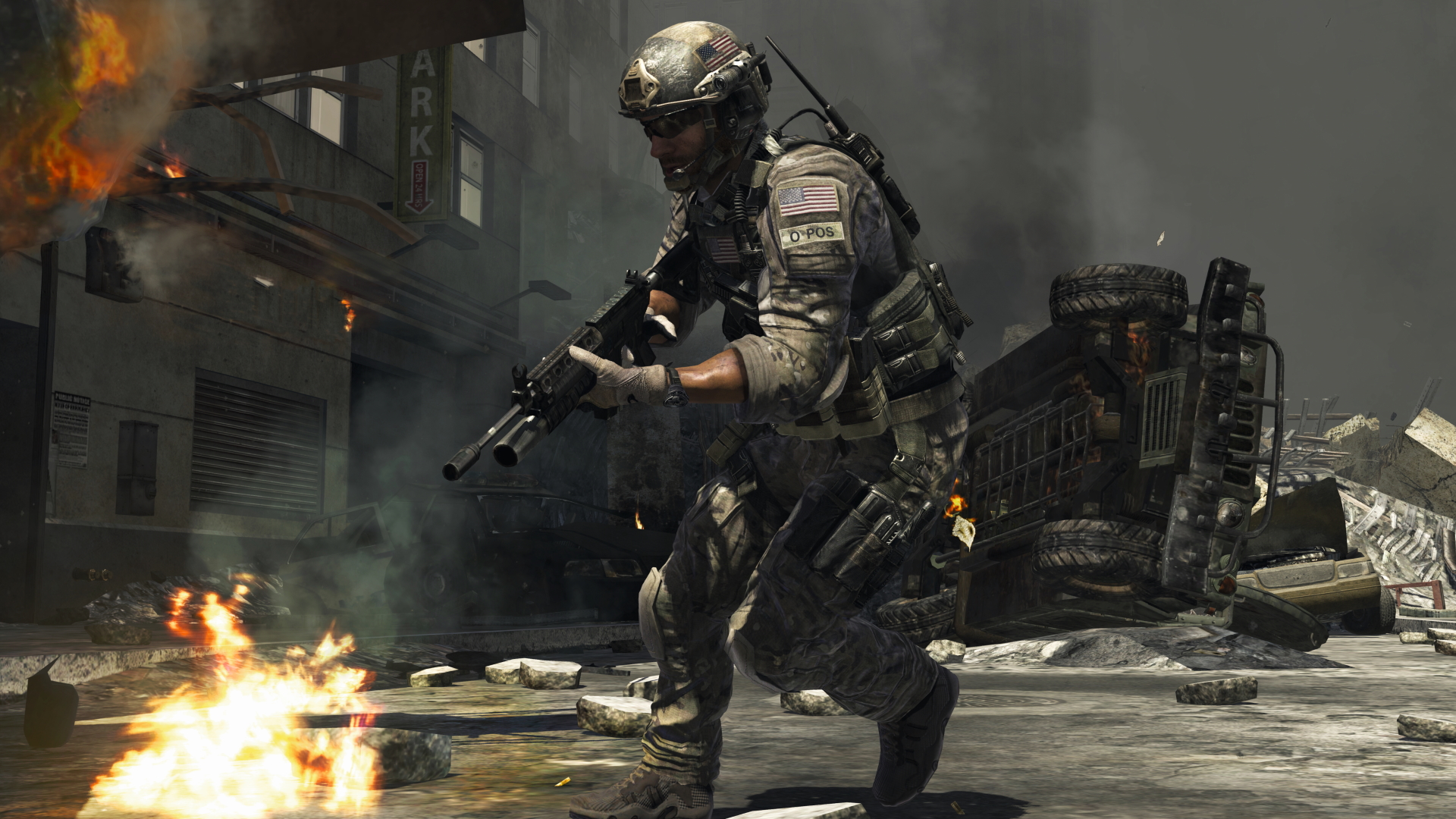
"It was so granitic to leave Dead Space. But I mentation it was clock time to make my own studio. Soh I talked to Michael [Condry], who had been my development managing director on a number of games, including Dead Space, and I said, 'Maybe we can go out on our own. I know a mate of people over at Activision – we could talk to them.' It took a long time for IT to uprise. But Activision ultimately signed off thereon and have us build a studio – a Call Of Duty studio.
We first started making a thirdperson Call Of Duty spirited, an action-adventure gritty, completely diametric. And then things went a bit south with Infinity Ward and I remember one day a bunch of execs flew up and said, 'How would you ilk to work on Modern font Warfare 3?' [Laughs] It didn't take long-run to just say, 'Thank you, yes, we'll work on that.'
We went on to make the singleplayer game and Eternity Ward made the multiplayer aspect of it. I have to articulate, I conditioned much from the guys that were tranquillise there at Infinity Ward. They had made more or less awesome games – Modern font Warfare 1 and 2 started the franchise and then even after a lot of people had left on that point still were some really great people in that respect, and I learned a heap from them on how to make a Birdcall Of Duty gamey. Merely what was nice is that spirited also won Activity Game Of The Class, just as Dead Space did, sol it was wish two in a words, which I was really proud.

"We first started making a thirdperson Call Of Duty spirited, an action-adventure game, completely different"
I in reality recall we went into IT a bit naïve. We'd just made Inanimate Space – we'd hardly made a good game and so we [thought], 'Ah, we can urinate this game.' Once again, I give thanks Activision and Infinity Hospital ward for helping instruct us. In that location was a quite a little of pressure level because we besides had to get it proscribed on time, which was at that point I think about two years retired. And we also knew we were following up one of the best games of all time – you cognize, not just the best triggerman, but ane of the greatest games ever.
But Call Of Duty also allows you to hire some rattling good people. People want to come on get on. So we built a really upstanding team at Sledge – genuinely sainted vets, and then multitude out of college – and we were fit to come some of the best of the unexceeded to come run on it. But, yeah, I think we went in a little naïve, and when it was all done I could turn around and go, 'My god, I became a better game-maker because of this game.'"
Call off Of Responsibility: World War Deuce (2017)
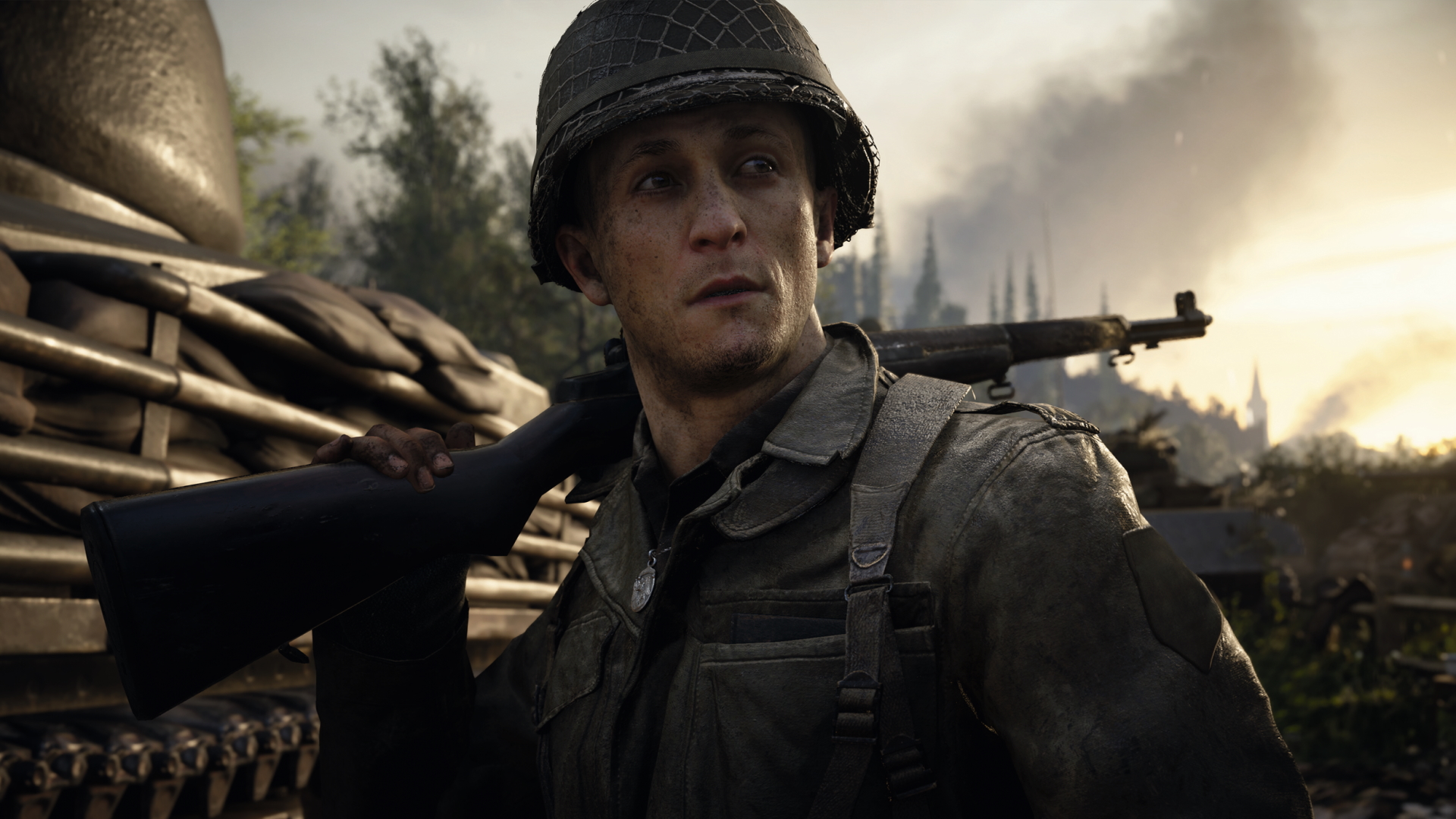
"Mass today [think] a Call Of Duty is… you know, antitrust put it through the grinder and another cardinal will come out. They don't agnise how very much work goes into qualification a Call Of Duty game. Thither's just a ton of search. You're working with experts – I studied World State of war Two for three years. I worked with historians. I spent eight days in a new wave in Europe going to totally the places that were going to be in the game. I shot different yellowed weapons. Altogether these things that you have to practice when you're working on a Call Of Duty game. And, you know, to get over an expert – Advanced Warfare, we worked with Dark blue SEALS and Delta Force people to discover and maneuver and techniques and get them into the game, right? You had to learn about the Unscheduled Forces from different countries look-alike England and Jacques Anatole Francois Thibault and Spain and Italy and all that, because they were all in the game. Thus, a lot of learning, constantly reading, constantly watching videos and constantly working with experts.
Was there internal competition? Without doubt, no more doubt. It's weird, because you really rooted for to each one studio because you needed and sought all Call Of Duty to do well. Only you ever wanted to get over a higher score. You longed-for to achieve more sales if you could. So yeah, we pushed for each one other, we really did. But then once more, we would too help each other out – like, in between, we would hold out supporte come out of the closet Black Ops a little bit. We might take on a level Oregon take on a few objects and things alike that – vehicles and things. We were this sort of Call Of Duty brotherhood. There was a hush competition decidedly going on, but you helped advance the next crippled atomic number 3 very much like you possibly could.
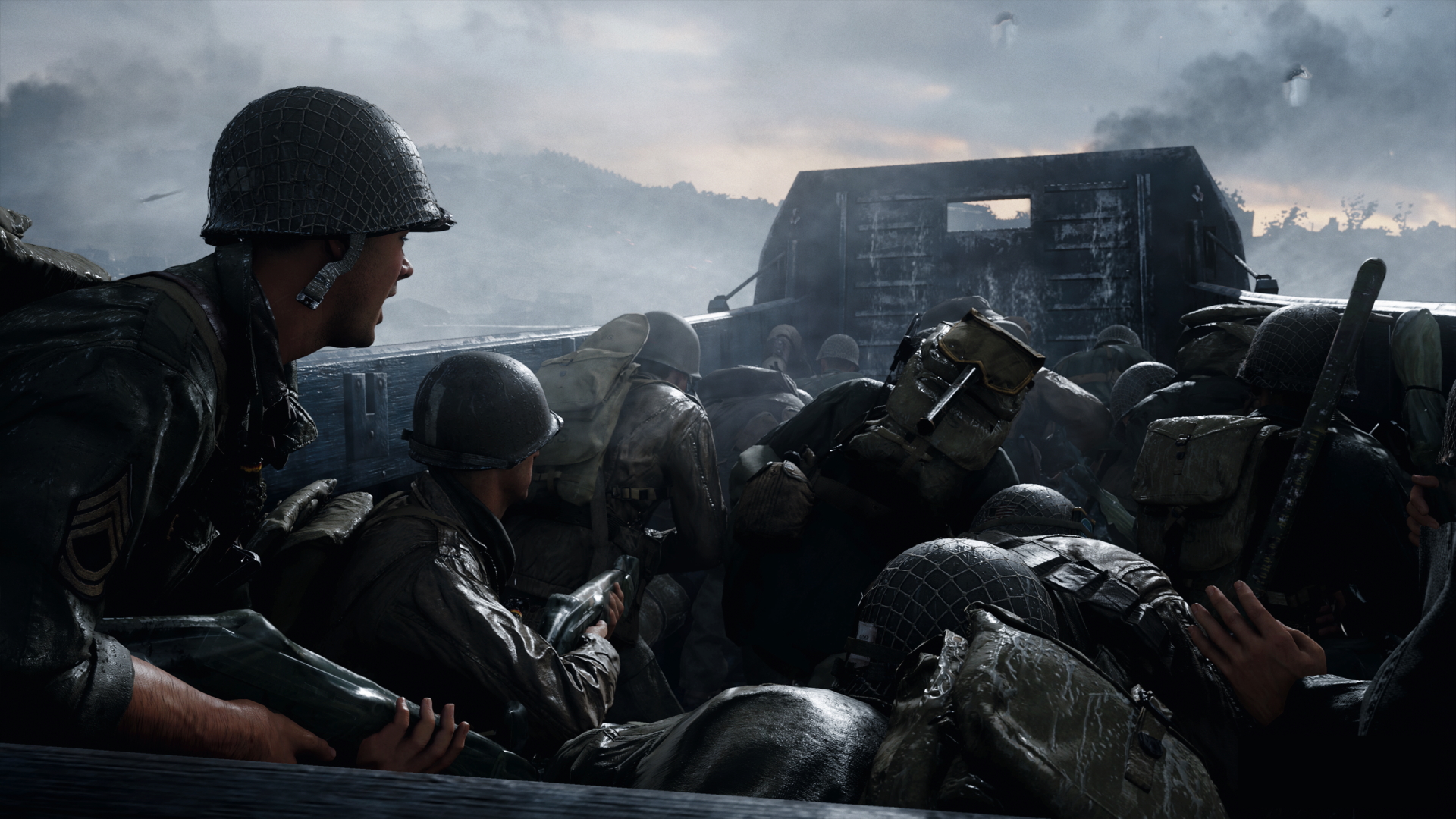
"There was a quiet rivalry in spades going on, but you helped approach the next game as much as you possibly could"
WWII was very rocky field of study matter. We actually lost mass from the studio apartment World Health Organization upright didn't want to go there because it was a unruly fourth dimension. But we approached it knowing that it was hard time in chronicle. We had to chance a storyline that had a all-night throughline, where you could follow one radical, so that was the main thing that I was concerned with. I unnatural the Italian campaigns and the African campaigns and the European campaigns, and the one that had the longest throughline was following the Big Red Unmatchable – the advance of landing place on Normandy and then just going clear through France and Kingdom of Belgium, the whole way up into Germany. So we knew that we could do a story in that respect.
You've got a lot of nationalities that you suffer to pay out homage to, and at the same meter you've got to be prudent about the Germans as well. We spent a lot of time in Deutschland, qualification that crippled, talking with locals and people about how they felt about information technology. And so we went about it with that [in mind]… you make love, in that location's a incision in there where you rescue a German radical, things like that. So we wanted to have that sensitivity. And then we also knew [there would live] controversy, like when the Jewish soldier is taken and familiar and put into a special prison. A lot of people didn't know it at the time, but the [Berga] concentration summer camp was one that was just for Americans. Information technology didn't have a lot of people in it, but information technology had a a few hundred Americans there. And, like anybody else in a concentration camp, they went through hell."
The Callisto Protocol (2022)
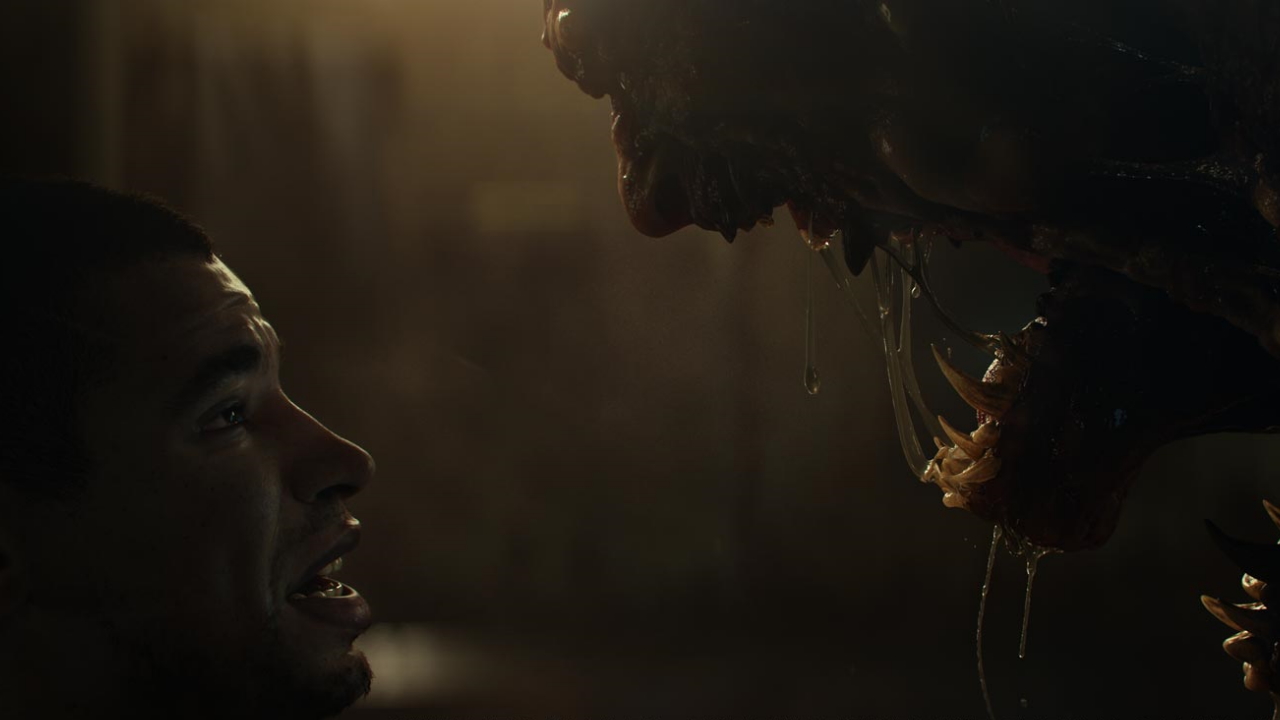
"I stayed at Activision for about a year after WWII. I was working on some special projects and serving out on a a few things there, trying to work what I wanted to do next because I didn't want to make another Call Of Duty game. I eventually [decided] I wanted to form another studio, and that I'd comparable it to equal closer to home. And I'd equivalent to make other one of my own IPs – overeat I couldn't in reality do at Activision any more.
So I took some time off and wrote out a clump of ideas. And I was writing out… I guess you would Call it a screenplay, maybe 20 to 30 pages of stories present and in that location. I wrote a few of those. At one signal, I went out to the inhospitable down in Tucson, and spent both time at a resort for a couple of weeks, and would just give way out and bob up with ideas. That was a great way for me to think – I would XTC out on that point with my lottery pad and honourable come upfield with ideas and then write them descending.
"I looked at around everybody, but I kept coming back to the PUBG folks"
Eventually, I just came back to [thinking] I want to do another sci-fi horror game and go back to my roots. Like, what I actually bed the most about Advanced Warfare is that information technology's got skill fiction in it. If you expect at WWII Zombies, which I directed as well, that's a real horror lame. It wasn't the typical Treyarch one, information technology was more than Visceral, if you will. So I wanted to go back to those things that I liked very much, and wrote out this story. And then I right went about looking for, you cognize, somebody WHO would want to make the lame, which is a voluminous undertaking.
I looked at or so everybody, but I kept return to the PUBG folks. They just had this attitude roughly them that was creativity first, and everything other follows. And they were like, 'We don't want to get involved in your game. We want you to make the game that you want to make.' IT was really refreshing to try it. There are times when you're like, 'Answer I actually believe them?'
But right away that I've been here almost cardinal years… I had a meeting with them last night and they favored what we were doing. They gave U.S. a bit bit of feedback, merely more like testers, if you testament. We just amaze guidance. They've been in truth great to influence with. I decided to cooccur with them, and it's been the rightmost decision."
For many fantastic previews, reviews, and in-depth features, you can pick up the latest issue of Boundary magazine from Magazinesdirect nowadays.

Source: https://www.gamesradar.com/from-call-to-duty-to-dead-space-bond-to-barbie-a-career-retrospective-with-glen-schofield/
Posted by: cordovaopithought.blogspot.com
0 Response to "From Call to Duty to Dead Space, Bond to Barbie: A career retrospective with Glen Schofield - cordovaopithought"
Post a Comment